


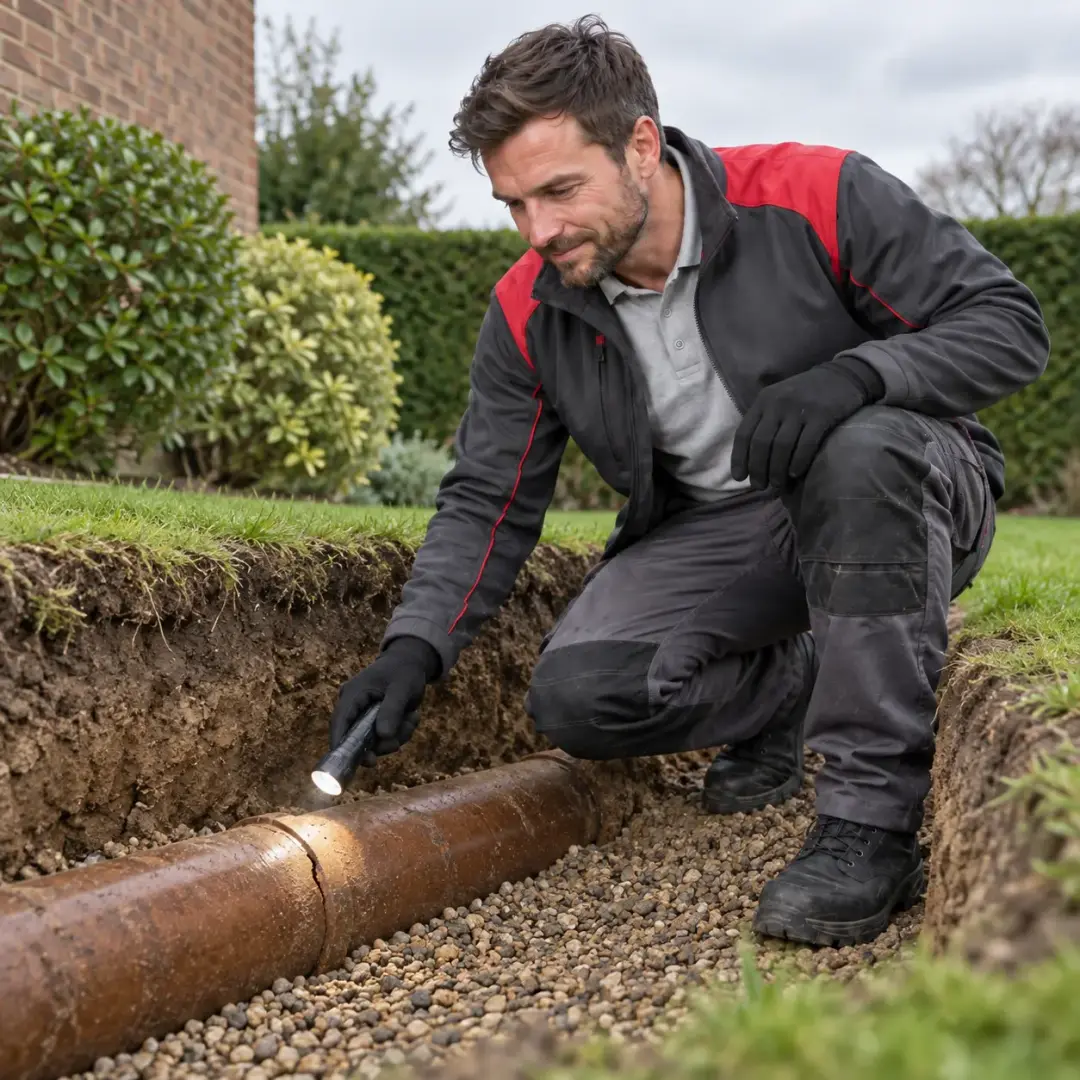
Practical Repairs for Damaged Drains
Drainage pipes can crack, move or collapse because of age, ground movement, external pressure or root growth. Damage may cause repeated blockages, leaks, slow flow or wastewater appearing where it should not.
Blocked drains can cause severe damage if they are not dealt with quickly. Slow sinks, toilets, baths or showers, gurgling, bad smells and sewage backing up can all be early warning signs.
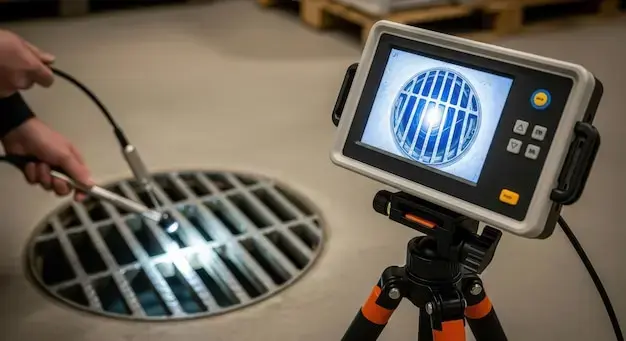
A CCTV drain inspection helps find cracks, collapsed sections, root ingress and other hidden damage before the most suitable repair is planned.
Related Drainage Services
Explore the inspection, clearance, repair and maintenance services available across Suffolk.

Pre-Purchase Surveys
Understand the condition of drains before committing to a property.
View Service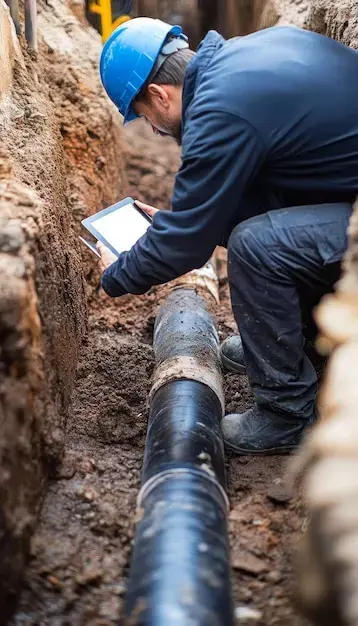

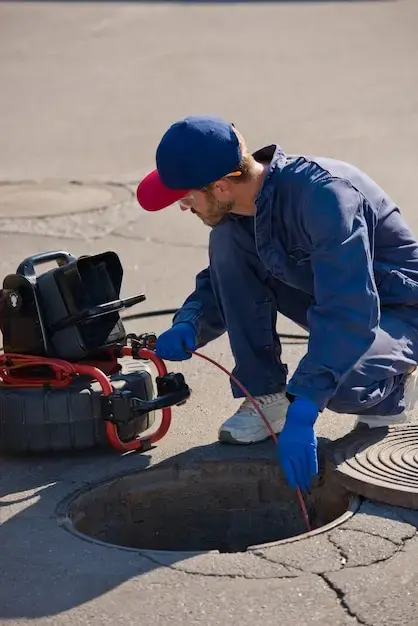

Fast Local Response
Prompt drainage support across Ipswich and surrounding parts of Suffolk.
Common Causes of Drain Damage
Age, ground movement, external pressure and root growth can all damage underground pipework.

Fractured Pipes
Older earthenware and other materials can crack as they deteriorate.

Collapsed Sections
Ground pressure or movement can restrict or completely close the pipe.
Root Damage
Roots can enter small gaps, expand and worsen an existing defect.

Leaks and Erosion
Escaping wastewater can wash away surrounding soil and affect the property.
Warning Signs That Need Investigation
Repeated blockages, slow drainage, persistent smells, damp ground, and wastewater surfacing near a drain can all point to damaged pipework. Several affected fixtures may indicate a fault further along the system.
Common problems include fractured earthenware pipes, collapsed pipework, roots entering small cracks and deformed pipes caused by age or shifting ground.
Inspection distinguishes a removable blockage from structural damage and helps avoid unnecessary excavation.
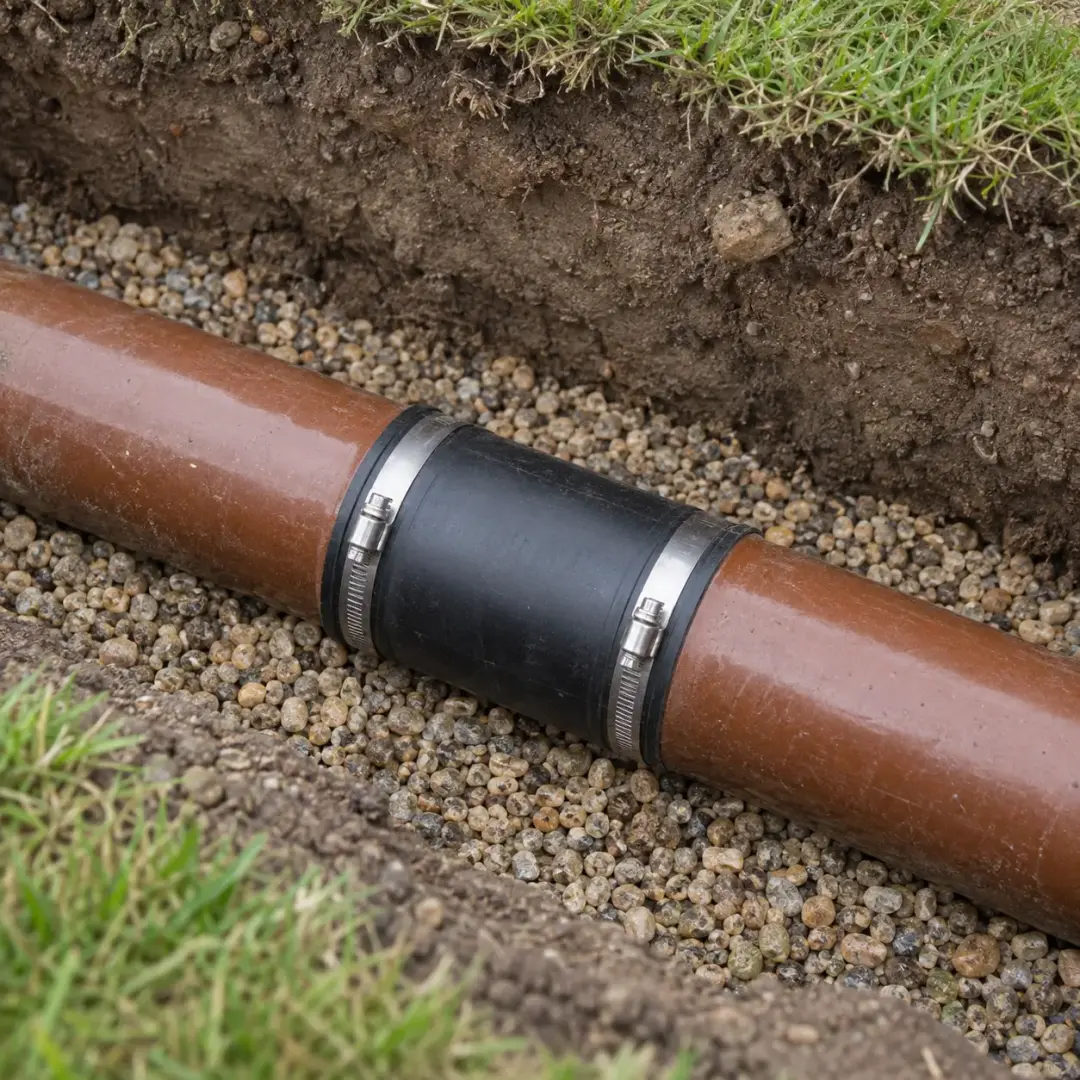
Experienced Drainage Specialist
Clear advice, appropriate equipment and a no-obligation quotation before work begins.
How Drain Repair Work Is Planned
The damaged section is located and assessed before the repair options and likely disruption are explained.
Inspect
Locate the affected section and identify the type and extent of damage.
Explain
Set out the repair options and provide a no-obligation quotation.
Repair
Complete the agreed work using a method suited to the pipe and access.

Verify
Check water flow and confirm the repaired section is working correctly.
Drain Repair FAQs
Common questions about cracked pipes, root damage, collapse and emergency repairs.
What are the signs of a damaged drain?
Recurring blockages, slow drainage, bad smells, damp ground, subsidence and wastewater surfacing can all indicate a damaged pipe.
Why do drainage pipes crack?
Age, ground movement, heavy loads, poor installation and root growth can fracture or displace underground pipework.
Will the drain need to be excavated?
That depends on the location and nature of the damage. Inspection is needed before the most suitable repair method can be recommended.
Can tree roots damage drains?
Yes. Roots can enter small cracks or displaced joints and expand inside the pipe, restricting flow and worsening the defect.
Can you help with an emergency repair?
Urgent support is available when a blockage or damage risks flooding, sewage escape or loss of essential drainage.
Concerned About a Damaged Drain?
Arrange an inspection and get clear advice on the repair work the system needs.