Do you want to find out more about: How does a CCTV drain survey work? We look at what are CCTV surveys are used for and the advantages of having one done for your property.
What is a CCTV Drain Survey?
A CCTV drain survey, also called a CCTV drainage survey or CCTV survey, is a way to check drains and pipes using a CCTV camera. The camera is inserted into the pipework and sends clear images in real time to a monitor. This lets engineers assess the condition of drainage systems without digging up the ground.
Because it is non invasive, it is often chosen instead of traditional methods. It is also cost effective, as it can reduce excavation and help avoid costly repairs later.
When Might You Need a CCTV Drain Survey?
Many people book a drain survey when they have drainage problems such as slow water, bad smells, repeated blockages, or leaks.
A CCTV drain survey can also help when there are ongoing drainage issues that keep coming back, and you need to find the root cause. It is also important for home buyers. If you are buying a property, a pre-purchase drain inspection can help you spot hidden problems before you commit.
This is especially useful if you are moving into a new home, because you can get peace of mind about the drainage system and avoid surprise repairs after moving in.
CCTV drain surveys are also common for construction projects. A team may need survey work before building starts, during the project, or at the end, to ensure the drains are connected properly and meet requirements. This can also help prevent structural damage caused by poor drainage or damaged pipes.
How Do CCTV Drain Surveys Work?
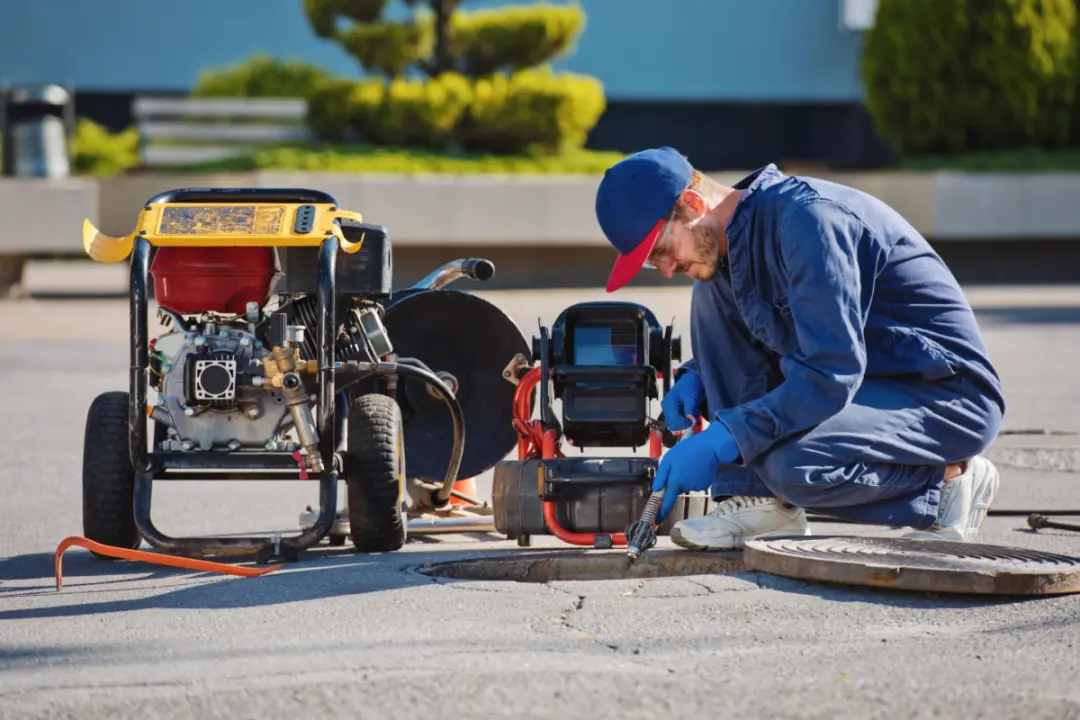
Modern CCTV drainage is high tech and designed to make drain inspections quick and safe. The drain engineer will choose equipment that suits the size and types of drains on your property. The process is usually carried out in a few clear steps.
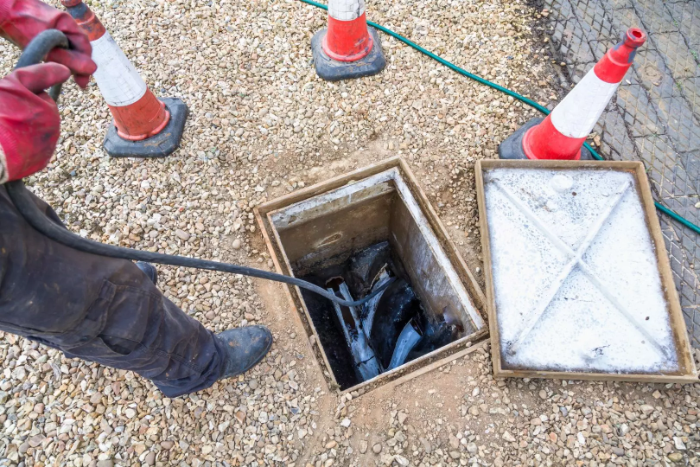
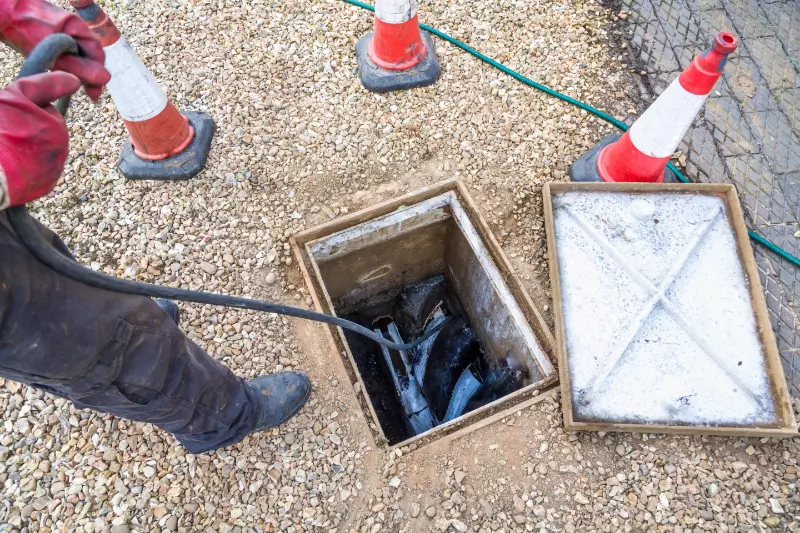
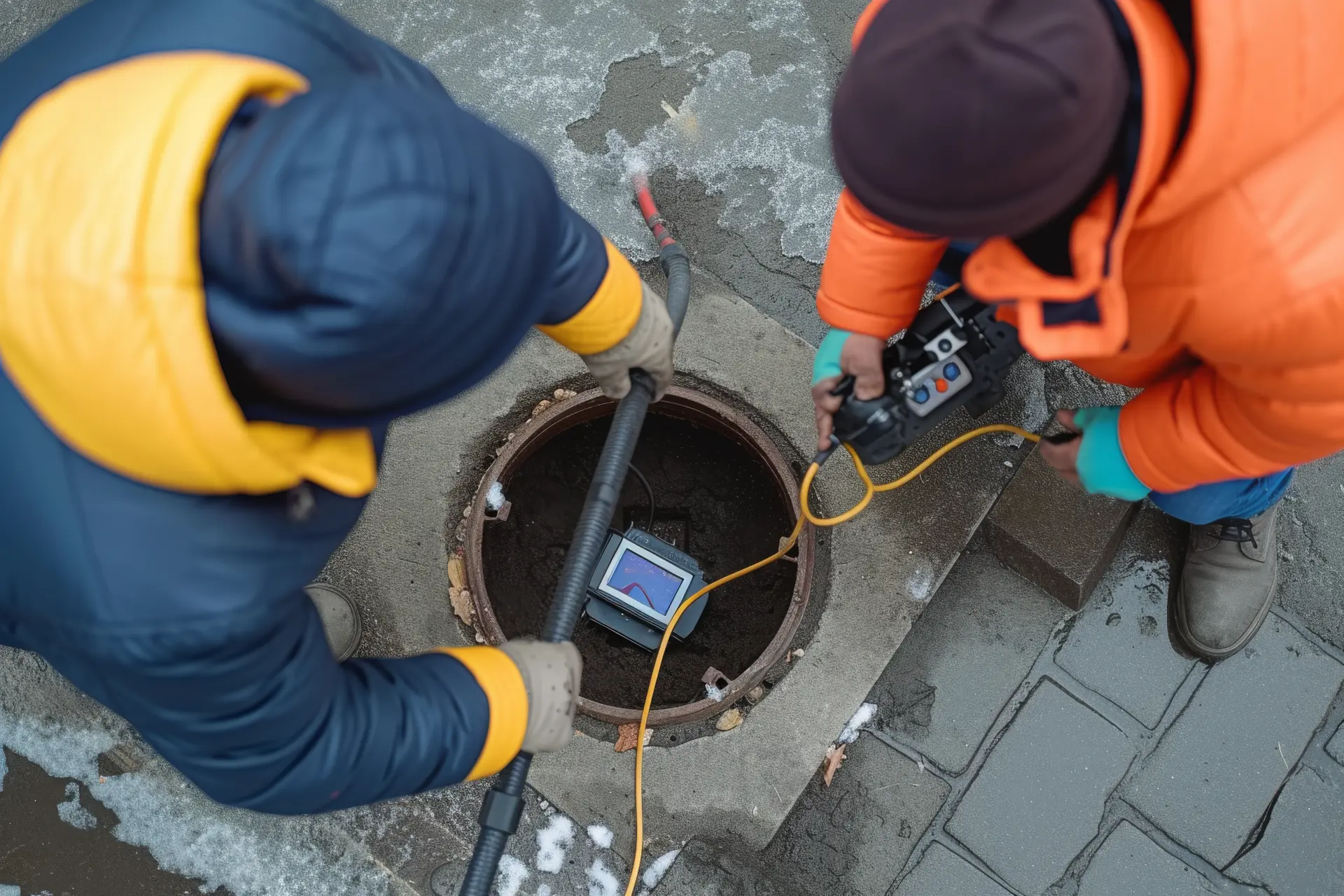
First, the engineer will locate a suitable access point, such as a manhole or rodding point. The camera, often on wheels, is then lowered into the drains and guided through the system. As it moves, it records video footage and takes images of the inside of the pipes. The engineer watches the CCTV footage on a screen and can pause, rewind, and zoom to check details.
In many cases, the system is also mapped. This helps find the exact location of issues, which is essential if repairs are required. Mapping can also help confirm where pipework runs under the home, garden, or driveway, which is useful when planning maintenance or future work.
What Problems Can The Camera Identify?
A drain inspection can identify many different problems, from minor wear and tear to serious damage. The engineer will look for cracks, holes, displaced joints, and signs of collapse. They will also look for anything that might lead to blockages, such as fat build-up, silt, debris, or items that should not be in the drains.
Tree roots are another common issue. A tree root can enter through small faults in pipes and grow inside. This is often called root ingress or tree root ingress. Over time, tree roots can cause blockages, break joints, and create leaks. A CCTV drainage survey helps identify where root ingress has started and how far it has spread.
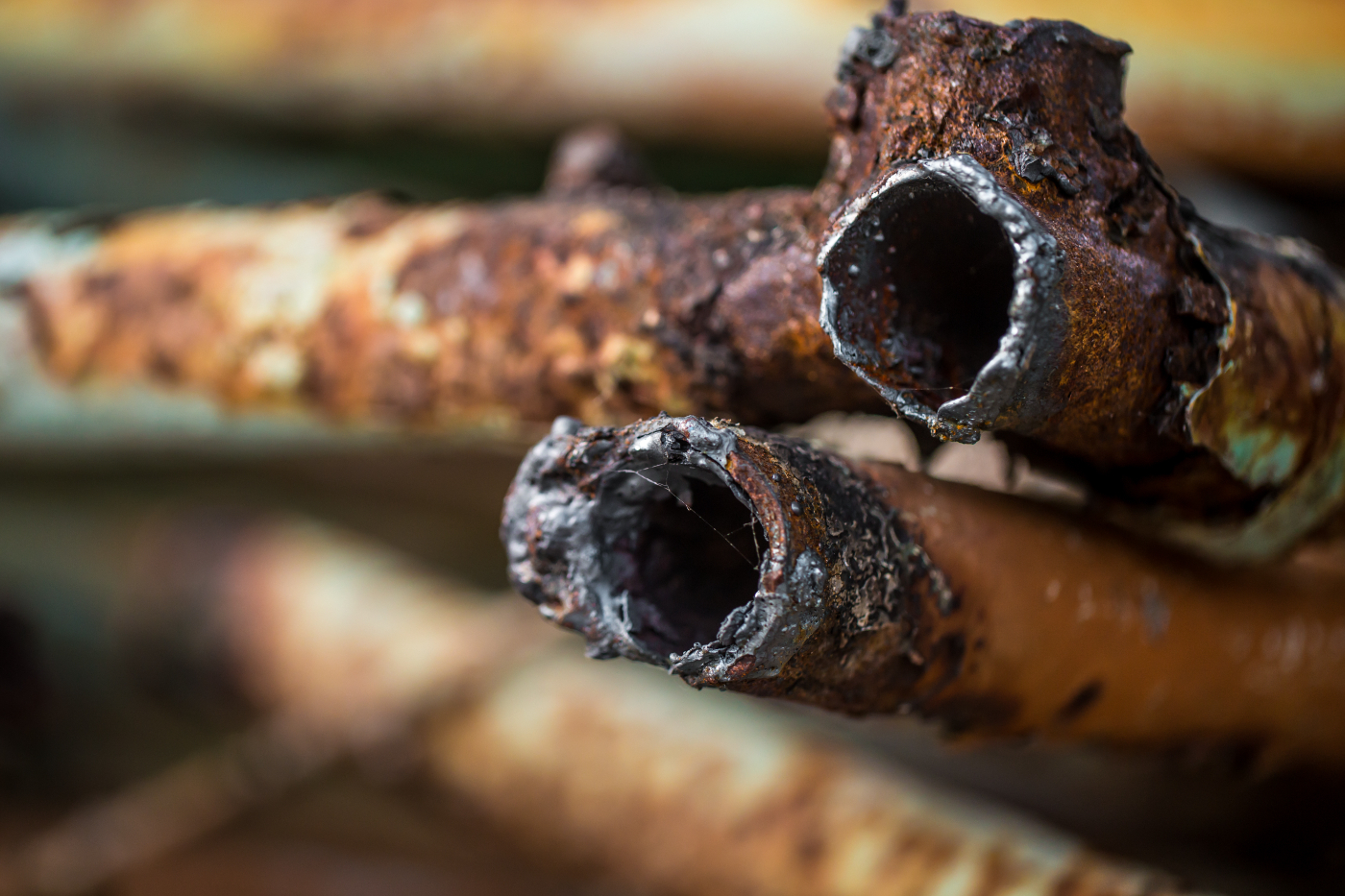
The inspection can also show other drainage problems such as corrosion, poor connections, or sections where the pipe has moved. These issues can affect flow and may cause repeated blockage problems.
What To Expect During The Survey
Most surveys are carried out in one visit, depending on the size of the drainage system and how easy it is to access. The drainage surveyor may need time to set up equipment, carry out the investigation, and complete the analysis afterwards.
You do not usually need to leave your home, but you may be asked to avoid using water for a short time while the camera is inside certain sections of the drains. If there is a heavy blockage, the engineer might recommend clearing it first so the camera can pass through and give complete findings.

What Happens After The Inspection?
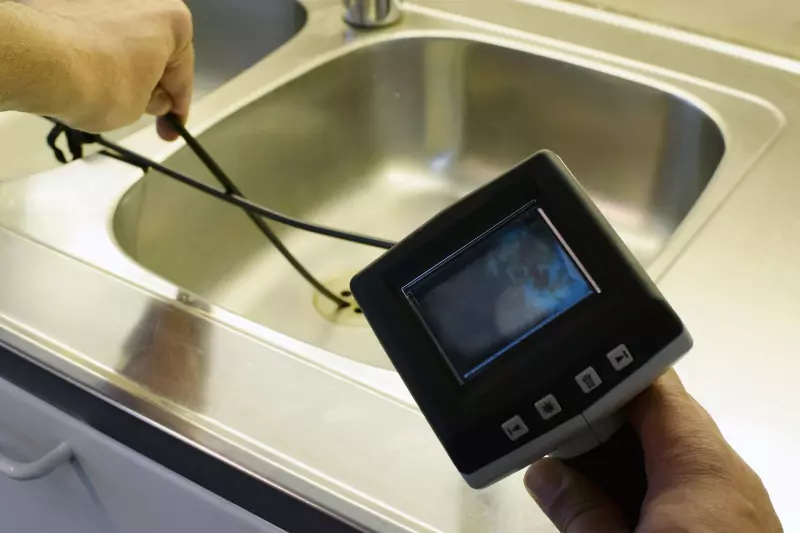
After the survey, you should receive a drain survey report. This is often a detailed report that includes key information, images, and sometimes a map of the drainage systems checked. It may also include video footage clips or still shots taken from the CCTV footage. The report will explain the condition of the drains, what issues were found, and what may have caused them.
A good drain survey report will also give recommendations. These might include simple maintenance, targeted repairs, or further investigation if something is unclear. If damage is found, the engineer may suggest solutions such as lining for cracks, patch repairs, or excavation if a section has collapsed. The right fix will depend on the problem, the condition of the pipe, and how urgent the issue is.
If the drain is blocked, your drain surveyor may recommend drain jetting to clear it.
Benefits of CCTV For Homes and Businesses
One of the main benefits of CCTV is that it helps you find problems early. Spotting cracks and small damage can prevent leaks, reduce the risk of bigger failures, and help maintain your drains for years. It can also help you plan repairs at the right time, rather than dealing with emergencies.
CCTV surveys also help you avoid guesswork. Instead of trying different fixes without knowing the cause, you can identify the root cause and choose the right service. This can save money in the long run and reduce repeated call-outs for the same blockage.
For home buyers, a CCTV drain survey can be an essential part of buying. It can highlight hidden issues that are not visible during a normal viewing, and it gives clear evidence of the drainage system’s condition.
Using CCTV Surveys For Planned Maintenance
If you have a Planned Preventative Maintenance programme or PPM, CCTV drain surveys can support regular checks. A planned drain inspection can find early signs of damage, tree root ingress, and build-up that could lead to blockages later. This approach helps keep the system working well and reduces the chance of sudden drainage problems.
When You Might Need a Full Report, and When You Might Not
Sometimes you only need a quick drain inspection, such as a simple check after a repair, or to confirm a blockage has been cleared. In other cases, you may need a complete survey with full findings, mapping, and a detailed report. This is common for pre-purchase checks, ongoing drainage issues, or when major repairs are being planned.
If you are unsure whether you need a CCTV drain survey, it often helps to think about the risk. If problems keep returning, if you are buying a property, or if you are planning building work, it is usually better to get proper information early.
CCTV Drain Surveys - Next Steps:
If you think you need one, booking a CCTV drainage survey can be a smart step. It helps identify issues, confirm the condition of your drains, and guide repairs with clear evidence. If you would like to arrange a survey or ask what the process includes, contact us and a team with years of experience can talk you through what to expect.
Are you looking for a CCTV drain survey in the Ipswich and Suffolk area? Find out more about our local services below.